
What is the difference between a will and a trust?
A will is a document that takes effect only at death and directs how probate property is distributed, through a court process. A living trust takes effect as soon as it is signed and funded, holds property during your life, avoids probate for trust assets and lets a successor manage things if you become incapacitated.
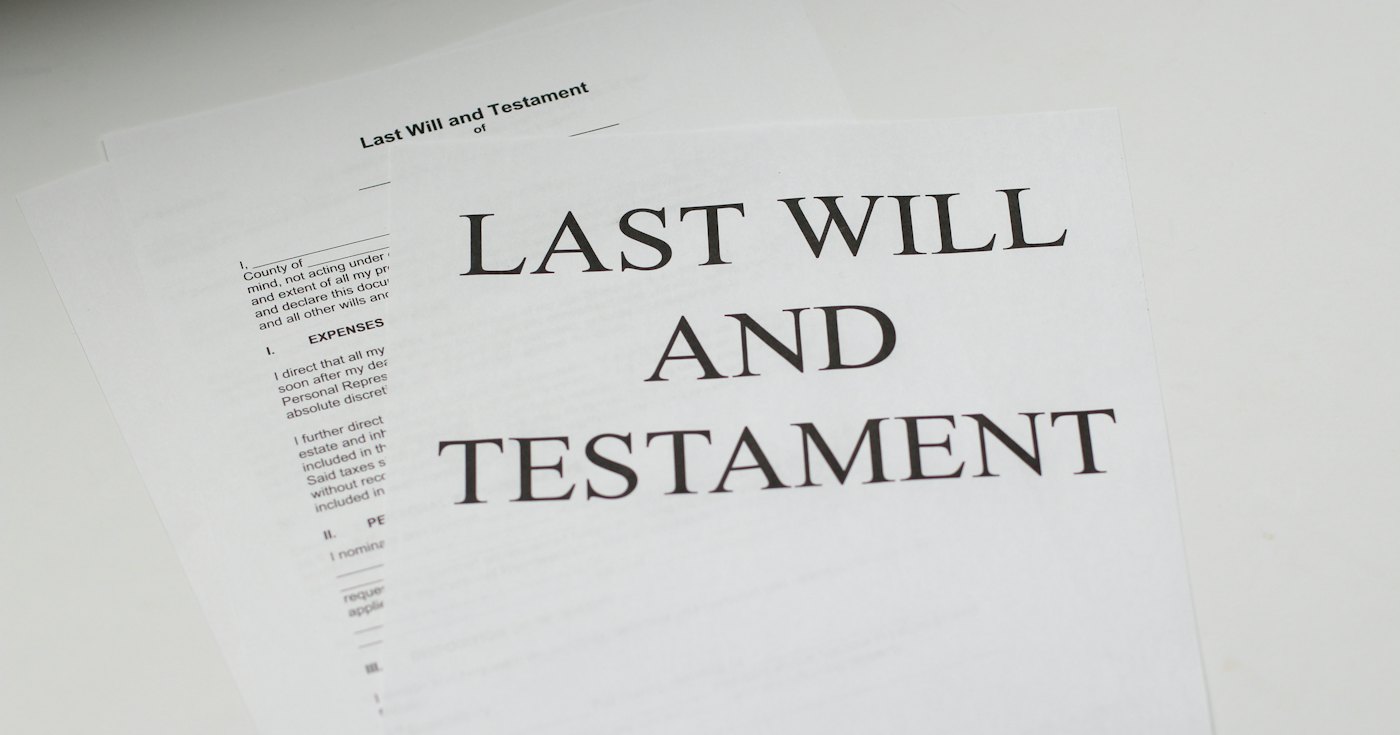
Key takeaways
- A will takes effect only at death and goes through probate; a living trust works as soon as it is signed and funded.
- Only a will can name a guardian for minor children.
- A will becomes a public court record in probate; a trust generally stays private.
- A trust also covers incapacity: your successor trustee can step in without a court guardianship.
- Many estate plans use both — a living trust for the main assets plus a pour-over will.
The key differences
- When it works. A will does nothing until death. A trust works from the day it is funded, including during incapacity.
- Probate. A will must go through probate before property can be transferred. Assets held in a trust pass without probate.
- Privacy. A probated will becomes a public court record. A trust usually stays private.
- Incapacity. A will offers no help if you become unable to manage your affairs. A trust's successor trustee can take over immediately.
- What it covers. A will covers property in your name alone at death. A trust covers only property transferred into it.
- Guardians. Only a will can nominate a guardian for minor children.
- Cost. A will is cheaper to create; a trust costs more up front but can save probate costs later.
- Court supervision. A probate court oversees an executor. A trustee usually acts without a court unless someone brings a dispute.
What they have in common
Both let you choose who receives your property and in what shares, name the person who will carry out your wishes, leave property to charities, and hold property for children until a chosen age through a testamentary trust (in a will) or ongoing trust terms. Both can be changed while you are alive and competent — a will by a new will or codicil, a revocable trust by amendment or restatement. Both can be challenged for lack of capacity, undue influence or fraud, although trusts are sometimes harder to contest in practice.
What neither one controls
Life insurance, retirement accounts, payable-on-death and transfer-on-death accounts, and jointly owned property with right of survivorship pass according to the beneficiary designation or ownership form, regardless of what a will or trust says. Coordinating those designations with the will or trust is part of every good plan.
Taxes
A standard will and a revocable living trust have the same effect on estate and income taxes: neither reduces them by itself. Tax planning uses specific provisions — such as credit shelter or marital trusts — that can be written into either document, or separate irrevocable trusts.
Two attorneys compare wills and living trusts and explain when each one makes sense.
Creditors
Neither a will nor a revocable trust protects property from the owner's creditors. Probate has a formal creditor claim process with deadlines that can cut off late claims; trust administration handles debts under state rules that vary. Irrevocable trusts designed for asset protection are a separate tool with strict requirements.
When a will may be enough
- Your estate is small enough to qualify for your state's simplified probate or small estate procedure.
- Most assets already pass by beneficiary designation or joint ownership.
- Your state has a relatively simple, inexpensive probate process.
- You are young, with few assets, and mainly need to name guardians for children.
When a trust is often better
- You own real estate, especially in more than one state.
- You live in a state where probate is costly or slow, such as California.
- You want privacy, or expect family disputes.
- You want to plan for possible incapacity without a court conservatorship.
- You want to control distributions over time — to young adults, a beneficiary with spending or addiction problems, or a family member with special needs.
- You have a blended family and want to protect children from a prior marriage.
Most plans use both
People with a living trust still sign a pour-over will, which sends any property left outside the trust into it and names guardians for minor children. People who rely mainly on a will often use beneficiary designations and transfer-on-death deeds to keep key assets out of probate. The right mix depends on the assets, the state and family goals.
A simple example
Maria owns a house, a bank account and a 401(k). With only a will, her executor must open probate to transfer the house and bank account, while the 401(k) goes to the named beneficiary. With a funded trust, her successor trustee transfers the house and bank account privately within weeks, the 401(k) still goes to its beneficiary, and if Maria had developed dementia first, the trustee could have paid her bills without going to court.
Choosing
An estate planning attorney can compare the cost of each approach in your state against the probate costs and delays it would avoid. Ask for a flat-fee quote for each option.
Talk to a Estate Planning attorney
1,892 attorneys in this directory work in Estate Planning. Browse them by state and city — profiles carry direct contacts, and nobody pays for a higher position.
Find Estate Planning lawyers ›
Related questions
All legal questions › All legal issues ›
This page explains general rules in the United States and is not legal advice. Deadlines and definitions differ by state, and only a licensed attorney can tell you how the law applies to your own situation.